EAFM Structured Decision Framework
A structured approach for incorporating ecosystem-level interactions into decision-making
EAFM Structured Decision Framework
Source: Gaichas et al., 2016
In 2016 the Mid-Atlantic Fishery Management Council approved an Ecosystem Approach to Fisheries Management (EAFM) Guidance Document which outlined a path forward to more fully incorporate ecosystem considerations into marine fisheries management. The Council's stated goal for EAFM is “to manage for ecologically sustainable utilization of living marine resources while maintaining ecosystem productivity, structure, and function.” Of particular interest to the Council was the development of tools to incorporate the effects of species, fleet, habitat and climate interactions into its management and science programs. To accomplish this, the Council adopted a structured decision framework that first prioritizes ecosystem interactions, second specifies key questions regarding high priority interactions, and third tailors appropriate analyses to address them.
Process Overview
Step 1: Prioritize (Risk Assessment) – The first step in the structured framework process includes identifying and prioritizing ecosystem interactions and risks through a comprehensive risk assessment. The risk assessment is designed to help the Council decide where to focus limited resources to address ecosystem considerations by first clarifying priorities. The risk assessment is updated annually to incorporate new scientific information and analyses, reflects the Council’s current priorities, and be responsive to changing conditions. The most recent risk assessment is available here: 2025 EAFM Risk Assessment Update.
Step 2: Refine (Conceptual Model) – The second step involves development of conceptual models to address management questions regarding the highest priority ecosystem factors identified in Step 1. These models are designed to account for key relationships and identify specific management priorities.
Step 3: Analyze (Management Strategy Evaluation) – In this third step, a management strategy evaluation (MSE) is used to test the performance of different strategies (e.g., regulations or harvest control rules) designed to address specific objectives. In many cases, MSEs use simulation models to evaluate different management approaches within an ecosystem context to determine if those approaches achieve the intended goals and objectives.
Step 4: Implement and Monitor – During this final step, managers implement and monitor management measures based on the results of the MSE. Careful consideration of performance metrics and monitoring systems is an important part of this process.
Structured Decision Framework In Action: Summer Flounder Example
-
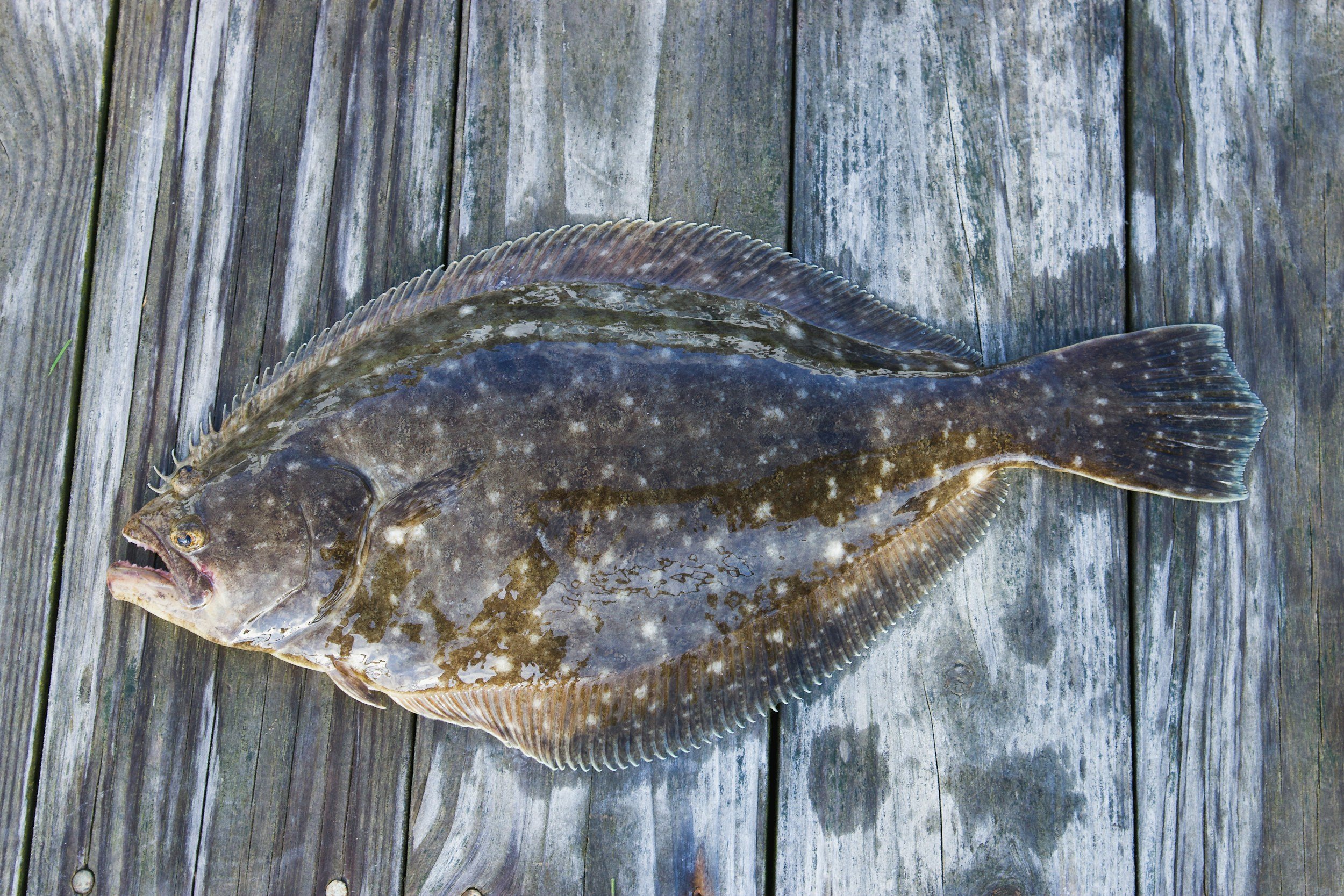
In 2018, the Council reviewed the initial EAFM Risk Assessment and decided to explore risk factors affecting summer flounder and its fisheries.
-
Utilizing the results of the risk assessment, a multi-disciplinary workgroup developed a Summer Flounder Conceptual Model that considered risk factors and ecosystem elements affecting summer flounder and its fisheries. The conceptual model and interactive visualization tool identified the key ecosystem elements and their associated linkages, documented available and missing data sources, and scoped out priority summer flounder management questions and objectives to be further evaluated in Step 3. Additional background information is available on the December 2019 Council Meeting page (scroll down to the EAFM Summer Flounder Conceptual Model section).
-
Between 2020 and 2022, the Council conducted a management strategy evaluation that evaluated different management strategies designed to minimize discards in the recreational summer flounder fishery. The Council selected this topic based on the unique challenges associated with addressing and reducing regulatory discards within the recreational sector summer flounder fishery. Learn more about the MSE outcomes and models on the Recreational Summer Flounder Management Strategy Evaluation page.
-
The models developed as part of the MSE have been used since 2023 to develop recreational management measures for summer flounder and other recreational species under the recreational harvest control rule and recreational measures setting process framework actions.